How to Find the Best Chiropractic Office in San Diego County, CA
Chiropractic care has become a mainstream option for people who want relief from back pain, neck pain, headaches, joint restrictions, and many types of musculoskeletal injuries without jumping straight to invasive procedures or long-term reliance on medication. San Diego County, CA, offers an unusually wide range of chiropractic options, from solo practices to multidisciplinary wellness clinics that combine chiropractic care with soft tissue therapy, rehabilitation, and other supportive services.
With so many choices, the challenge is rarely”“Can I find a chiropractor”” The real question is”“How do I find the right chiropractic office for my specific condition, comfort level, schedule, and long-term goals”” The best chiropractic office is not necessarily the closest one or the one with the loudest advertising. It is the office that matches your clinical needs, communicates clearly, evaluates you thoroughly, and provides a plan that is individualized, transparent, and outcome-focused.
This guide walks you through a practical, step-by-step process to help you confidently identify the best chiropractic office in San Diego County, CA, including what to look for, what to ask, and which red flags to avoid.
Understanding Chiropractic Care
Before you evaluate any office, it helps to understand what chiropractic care typically involves. Chiropractors focus on conditions of the musculoskeletal system, particularly the spine, and often use hands-on techniques such as spinal manipulation, mobilization, and other manual therapies. Many chiropractors also offer adjunctive services such as therapeutic exercise, posture and movement coaching, soft-tissue techniques, and lifestyle counseling.
People commonly seek chiropractic care for issues such as low back pain, neck pain, certain types of headaches, sciatica-like symptoms, mobility restrictions, sports related overuse problems, and injuries following auto accidents. Evidence summaries from the National Center for Complementary and Integrative Health note that spinal manipulation may provide minor improvements in pain and function for acute or chronic low back pain. In contrast, evidence for non-musculoskeletal conditions is limited and not clearly beneficial.
The practical takeaway is straightforward. Chiropractic care is often most appropriate when your symptoms are mechanical or musculoskeletal, and it works best when paired with thorough evaluation, clear goals, and an individualized plan.
Step 1: Identify Your Needs
The most efficient way to find the best chiropractic office is to start with clarity about what you need. Many people begin with”“My back hurts”” but you will make faster progress if you define your problem and your preferences more precisely.
First, identify your primary reason for care. Are you dealing with acute pain from a recent incident, or chronic discomfort that has been building for months or years? Is the issue localized, such as mid-back tightness, or does it travel, such as pain that runs from the low back down the leg? Have you had imaging, a prior diagnosis, surgery, or a history of serious injury?
Next, identify your goals. Some patients want pain reduction so they can return to work, training, or caring for family without limitation. Others wish to improve posture, mobility, and resilience so symptoms do not return. Some need specialized help, such as auto accident rehabilitation documentation, sports performance support, prenatal comfort strategies, or long-term management of degenerative conditions.
Finally, be honest about preferences. Some people prefer gentle, low-force approaches. Others want traditional hands-on adjustments. Some want a clinic that combines chiropractic care with rehab and soft-tissue work in one location. When you define your needs, you stop shopping randomly and start selecting strategically.
Step 2: Check Credentials And Licensing
In California, chiropractors must be licensed, and you should verify that licensure before you begin care. The California Board of Chiropractic Examiners provides a license search tool that lets consumers confirm license status. This is a simple step. Still, it matters because it helps you ensure you are working with an appropriately licensed professional.
You can also use the California Department of Consumer Affairs license search portal, which provides verification tools across multiple health professions, including chiropractic.
As you evaluate credentials, look for evidence of ongoing continuing education and relevant training for your specific condition type. If your case is complex or if you are recovering from a collision, sports injury, or long-standing functional issue, you want a chiropractor who has clearly pursued post-graduate training aligned with that scope.
Step 3: Consider Experience And Specialization
Chiropractic is not one-size-fits-all, and experience matters most when it aligns with your condition. A chiropractor who regularly treats runners, golfers, surfers, or active professionals may structure care differently than an office focused mainly on acute pain walk-ins. Likewise, a practice with deep experience in motor vehicle injuries will typically be better prepared for documentation, case timelines, and coordination of care expectations for injury recovery.
When you speak with an office, ask how frequently they work with cases like yours and what a typical plan looks like. A credible office will describe the evaluation process, the likely phases of care, and the objective markers they use to assess progress. You should also listen for clarity. If the practice cannot explain how they decide what to do, how they measure improvement, and how they adjust the plan if results stall, that is a sign you should keep looking.
Specialization does not mean the chiropractor has to be limited to one niche, but it does mean they should have a repeatable process and a demonstrated track record with your type of problem.
Step 4: Evaluate Techniques And Treatment Options
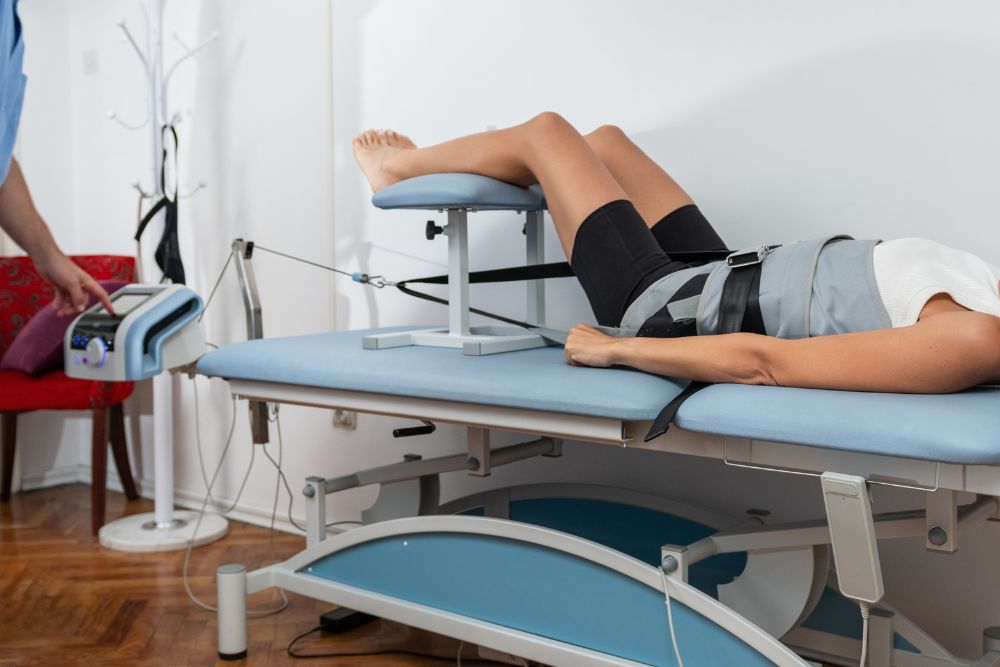
Chiropractors may use various adjusting techniques and supportive therapies, depending on their training andpatients” needs. Some emphasize traditional manual adjustments. Others use instrument-assisted methods or lower-force approaches. Some incorporate spinal decompression, soft tissue therapies, or structured rehab programming.
Instead of trying to become an expert in every named technique, focus on theoffice’ss clinical reasoning. Ask how they decide which methods are appropriate for your condition, your comfort level, and your medical history. Ask the office what they do if you do not tolerate a particular approach. A strong chiropractic office will be able to explain options in plain language and tailor care rather than forcing everyone into the same workflow.
It is also reasonable to ask how they screen for situations where chiropractic care may not be the right first step. A reputable office will recognize red-flag symptoms and refer you appropriately if something appears outside their scope or requires urgent medical evaluation.
Step 5: Look For A Comprehensive Wellness Approach
In practical terms, many patients get the best outcomes when chiropractic care is not treated as a standalone event but as part of a broader plan. That plan may include mobility work, strengthening, ergonomics, posture training, movement coaching, and advice on activity modification while tissues calm down and recover.
Some offices provide additional services in-house, such as soft tissue work, therapeutic exercise support, or wellness and nutrition counseling. Whether you need those services depends on your goals and your condition. If you are dealing with chronic, recurring pain patterns, a more comprehensive approach often improves the likelihood of long-term stability, not just short-term relief.
When evaluating an office, ask how they handle prevention and maintenance after symptoms improve. The best practices do not simply keep patients in indefinite passive care. They educate patients, build capacity, and help create a plan that supports independence and durability.
Step 6: Check Reviews And Testimonials
Reviews should not be your only deciding factor, but they help identify patterns. When you read reviews, look for consistency around communication, professionalism, thoroughness of evaluation, and whether patients feel heard and respected.
You will see occasional negative reviews for even excellent clinics, often related to scheduling or billing misunderstandings. What matters is the overall pattern. Are patients repeatedly mentioning feeling rushed? Are they repeatedly praising clarity and outcomes? Do they describe improvements that align with your goals?
You should also look for reviews that describe cases similar to yours, such as injury recovery, headache reduction, posture improvements, or long-term back pain management. A practice that shows consistent satisfaction across multiple case types is often a safer bet than one that looks great on the surface but delivers vague, inconsistent experiences.
Step 7: Ask About Consultation And Initial Exam
Your first visit often tells you more than any marketing page. A quality chiropractic office typically begins with a structured intake, history, and examination. You should expect thoughtful questions, not a rushed script. You should also expect the chiropractor to explain what they are assessing and why it matters.
Before you commit to a complete plan, ask what the initial exam includes, whether the office uses objective evaluation methods such as posture analysis, range of motion measurements, orthopedic tests, or other functional assessments, and how they decide whether your case is appropriate for chiropractic care.
You should also ask what a reasonable timeline looks like and how the office defines progress. The correct answer is rarely a guarantee. Instead, you want a clinician who sets expectations, explains uncertainty honestly, and outlines what success looks like at each phase.
Step 8: Consider Insurance And Affordability
Cost matters, and it should be discussed transparently. Before beginning care, confirm whether the office accepts your insurance, what your expected copay or coinsurance will be, and whether the office offers cash options if you are out-of-network or uninsured.
If a clinic recommends a care plan spanning weeks or months, ask for clarity on the total estimated cost, payment options, and what happens if you improve faster than expected. Some practices offer packaged care plans, which can be helpful for predictable budgeting, but you should still receive a clear clinical rationale for any proposed frequency and duration.
A professional office welcomes these questions and answers them plainly. If pricing feels hidden or constantly shifting, treat it as a warning sign.
Step 9: Location And Accessibility
Quality is the top priority, but convenience affects consistency, and consistency affects outcomes. In San Diego County, commuting time can vary widely depending on neighborhood, traffic patterns, and work schedules. A clinic that is convenient to your home or workplace, has reasonable parking, and offers hours that match your life makes it easier to stay consistent during the critical early phases of care.
Ask about appointment availability, rescheduling policies, and whether the office can accommodate acute flare-ups. If you have a physically demanding job or you travel often, ask whether the office supports modified plans when life interrupts consistency.
Step 10: Look For Red Flags
Most people know obvious red flags, but the subtle ones are more important. Be cautious if you encounter exaggerated promises, pressure tactics, or a care plan that feels disconnected from your actual presentation.
A reputable chiropractic office should not promise a miracle cure, especially in the first conversation. It should not push you into long-term contracts without a clear exam-based rationale. It should also explain why a specific approach is recommended for you, not for”patients in general.”
Pay attention to communication quality. If you feel dismissed, rushed, or confused, those issues rarely improve later. Trust is not a soft factor in healthcare. It is a performance factor because clarity and cooperation directly influence outcomes.
Benefits Of Finding The Right Chiropractor In San Diego County
When you find the right chiropractic office, the benefits usually extend beyond symptom relief. Patients often experience improved mobility, better functional capacity, and greater confidence in movement. Many people also appreciate reducing reliance on temporary fixes, especially when they learn how to manage triggers, posture, and movement strategies that keep symptoms from returning.
The right office becomes a partner in improving how you move and function, not just a place you visit when you are already hurting. That difference is what separates short-term relief from long-term stability.
Why San Diego County Is Ideal For Chiropractic Care
San Diego County’s combination of active lifestyles, physically demanding occupations, and year-round outdoor recreation creates steady demand for musculoskeletal care, helping shape a robust healthcare market. In practical terms, this means you can often find chiropractors with diverse skill sets, modern evaluation tools, and specialized experience in sports-related concerns, auto accident recovery, and chronic mobility issues.
It also means you can be selective. You can compare philosophies, communication styles, scheduling convenience, and supportive services until you find a clinic that matches your expectations rather than settling for the first available appointment.
Conclusion: Choosing Rice Chiropractic and Wellness In San Diego
After you identify your needs, verify licensing, evaluate experience and technique options, and confirm transparency around exams, expectations, and pricing, you will be in a strong position to choose the best chiropractic office in San Diego County, CA.
If you want an office that emphasizes a whole-body approach and individualized care, Rice Chiropractic and Wellness is a strong option. The practice describes a patient-specific approach and highlights the use of a variety of techniques to find the right mix for each patient. For new patients, the clinic outlines a detailed first visit that includes consultation, examination, digital posture evaluation, and what it calls a “NASA technology muscle scan,” which can be helpful if you prefer a structured evaluation process rather than a quick adjustment-only visit.
Rice Chiropractic and Wellness also highlights support for auto accident injury cases, including a free consultation and a stated focus on being prepared to assist with motor vehicle injury scenarios. For many patients, reviews and testimonials provide additional confidence, and the practice publishes a review page and is also listed on major platforms.
For San Diego residents who want a chiropractic office with straightforward patient onboarding, an emphasis on individualized care, and experience with common musculoskeletal complaints, Rice Chiropractic and Wellness is a practical place to start your search. For scheduling and location details, the clinic lists its San Diego address and contact information publicly.